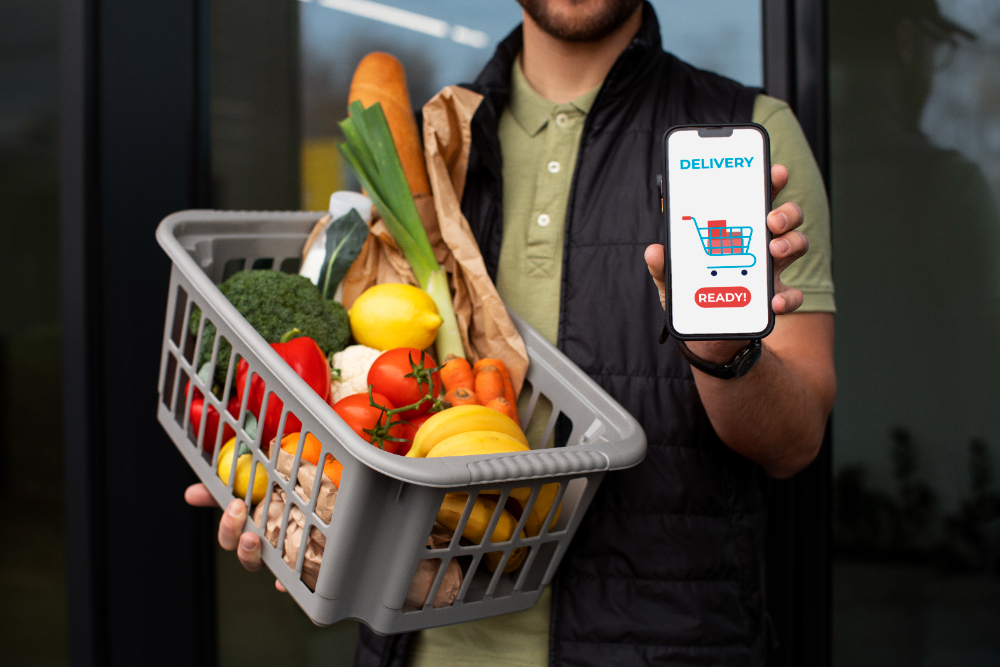
Effective Digital Marketing Strategy for FMCG
Summarize with AI


The FMCG industry is one of the most competitive sectors in the market. Consumers make buying decisions quickly, brand loyalty can change rapidly, and new products enter the market every day. This is why having a strong digital marketing strategy for FMCG products is no longer optional. Brands need to build visibility, engage customers across multiple channels, and create memorable experiences that drive repeat purchases.
Today, consumers discover products through search engines, social media platforms, online reviews, influencers, and eCommerce marketplaces. As a result, digital marketing for FMCG brands has become a critical growth driver. Companies that successfully combine SEO, content marketing, social media, mobile marketing, and data analytics can gain a significant advantage over competitors.
Also know: CGI Marketing: New Viral Campaign Strategy
What is FMCG Marketing?
FMCG marketing refers to the promotion of fast-moving consumer goods such as food products, beverages, personal care items, cleaning products, household essentials, and other frequently purchased consumer goods. The primary objective is to increase brand awareness, influence purchase decisions, generate customer loyalty, and maximize sales volume.
Unlike high-value products that involve long decision-making processes, FMCG products are often purchased quickly. Therefore, FMCG marketing strategies focus on creating strong brand recall and maintaining a constant presence in consumers' daily lives.
Why Digital Marketing is Important for FMCG Brands
Consumer behavior has changed dramatically over the past few years. Before purchasing a product, consumers often search online, compare alternatives, watch reviews, and engage with brands on social media.
A successful digital marketing strategy for FMCG helps brands:
- Increase product visibility online
- Build stronger customer relationships
- Drive traffic to retail stores and eCommerce platforms
- Generate product awareness among targeted audiences
- Improve customer retention and repeat purchases
- Collect valuable consumer insights through data analytics
1. Build a Consumer-Centric FMCG Marketing Strategy
The foundation of every successful FMCG marketing strategy is understanding the customer.
Brands should go beyond traditional demographics and analyze:
- Shopping behavior
- Purchase frequency
- Product preferences
- Search patterns
- Social media interactions
- Regional buying trends
Using tools such as Google Analytics, Search Console, CRM systems, and social media insights helps FMCG companies identify what motivates their customers and create personalized campaigns.
2. Invest in SEO for FMCG Brands
Many FMCG companies still underestimate the value of SEO for FMCG brands. However, consumers frequently search for product information, comparisons, reviews, and recommendations before purchasing.
An effective FMCG SEO strategy should include:
- Keyword research focused on consumer intent
- Product-focused landing pages
- Category page optimization
- Local SEO implementation
- Schema markup for products
- Voice search optimization
- Content marketing support
Targeting keywords such as "digital marketing for FMCG," "marketing strategy for FMCG products," "how to promote FMCG products," and "FMCG digital strategy" can help attract qualified traffic.
3. Leverage Mobile Marketing for FMCG
Mobile marketing for FMCG has become one of the most powerful channels for reaching consumers. Most product discovery now happens through smartphones.
To improve mobile engagement:
- Optimize websites for mobile devices
- Improve page speed and Core Web Vitals
- Create mobile-friendly content
- Use SMS and WhatsApp campaigns
- Implement mobile app promotions
- Utilize location-based marketing
Consumers expect fast-loading pages and seamless shopping experiences. Even a few seconds of delay can reduce conversions.
4. Use Social Media as a Sales Channel
Social media has evolved far beyond brand awareness. Platforms such as Instagram, Facebook, YouTube, and TikTok have become important sales and engagement channels.
Effective FMCG social media strategies include:
- Product demonstration videos
- User-generated content campaigns
- Influencer partnerships
- Interactive polls and contests
- Short-form video content
- Shoppable posts and product tagging
Social commerce shortens the buying journey and allows consumers to move from discovery to purchase within minutes.
5. Create Content That Solves Consumer Problems
Content marketing remains one of the most effective digital marketing strategies for FMCG products.
Rather than focusing solely on product promotion, brands should create content that helps consumers make informed decisions.
Examples include:
- How-to guides
- Product comparison articles
- Recipe content for food brands
- Beauty tutorials for personal care products
- Household tips and hacks
- Sustainability-focused educational content
Helpful content builds trust and improves organic search visibility.
6. Utilize Influencer Marketing
Consumers trust recommendations from creators and industry experts more than traditional advertising.
FMCG brands can collaborate with:
- Micro-influencers
- Regional content creators
- Lifestyle influencers
- Food bloggers
- Beauty influencers
- Health and wellness creators
Micro-influencers often generate higher engagement rates because their audiences are more targeted and loyal.
7. Personalization Through AI and Automation
Artificial intelligence is transforming FMCG digital marketing.
Brands can use AI to:
- Recommend products
- Predict buying behavior
- Automate customer support
- Create personalized email campaigns
- Optimize advertising performance
- Segment audiences more accurately
Personalized marketing improves customer satisfaction and increases repeat purchases.
8. Focus on Local SEO and Regional Marketing
Many FMCG purchases happen at local stores. Therefore, local SEO should be an important component of every FMCG marketing plan.
Strategies include:
- Google Business Profile optimization
- Location-specific landing pages
- Regional content marketing
- Local influencer collaborations
- Hyperlocal advertising campaigns
Regional campaigns often perform better because they align with local culture, language, and consumer preferences.
9. Build an Omnichannel Consumer Experience
Modern consumers interact with brands across multiple touchpoints.
A customer may:
- See a social media ad
- Search on Google
- Read product reviews
- Visit a retail store
- Purchase through an online marketplace
An omnichannel FMCG digital strategy ensures that the brand experience remains consistent throughout every stage of the customer journey.
10. Measure Performance and Optimize Continuously
The most successful FMCG brands constantly evaluate campaign performance.
Key performance indicators include:
- Organic traffic growth
- Keyword rankings
- Engagement rates
- Conversion rates
- Customer acquisition cost
- Return on ad spend
- Customer retention rate
- Revenue growth
Regular performance analysis allows marketers to identify opportunities and improve results over time.
Emerging FMCG Digital Marketing Trends for 2026
- AI-powered customer personalization
- Voice search optimization
- Social commerce growth
- Short-form video dominance
- First-party data strategies
- Sustainability-focused marketing
- Retail media advertising
- Predictive analytics for consumer behavior
Why Work with a Digital Marketing Agency for FMCG Brands?
Managing SEO, content marketing, paid advertising, social media campaigns, influencer partnerships, analytics, and marketing automation requires specialized expertise.
Businesses often partner with experienced agencies to create data-driven FMCG marketing strategies that generate measurable results. As a leading digital marketing agency in Kolkata, Marko & Brando helps FMCG companies improve online visibility, attract targeted consumers, strengthen brand awareness, and drive sustainable business growth through customized digital marketing solutions.
Conclusion
The future of FMCG marketing belongs to brands that embrace digital transformation. A successful digital marketing strategy for FMCG combines SEO, mobile marketing, content creation, social media engagement, influencer collaborations, AI-powered personalization, and data-driven decision making.
By implementing these proven digital marketing strategies for FMCG products, brands can increase visibility, improve customer loyalty, generate higher conversions, and remain competitive in an increasingly digital marketplace.
FAQs
1. What is the most effective digital marketing strategy for FMCG products?
A combination of SEO, content marketing, social media marketing, influencer partnerships, and mobile marketing typically delivers the best results for FMCG brands.
2. Why is SEO important for FMCG brands?
SEO helps FMCG companies improve search visibility, attract potential customers, increase website traffic, and generate more product discovery opportunities.
3. How does mobile marketing help FMCG companies?
Mobile marketing allows brands to reach consumers directly through smartphones using mobile-friendly websites, apps, SMS campaigns, and location-based promotions.
4. How can FMCG brands increase online sales?
FMCG brands can increase online sales through SEO, social commerce, personalized marketing, influencer collaborations, optimized product pages, and targeted advertising campaigns.

Article by
Marko & Brando
For businesses looking for impactful digital marketing services, Marko & Brando is the name to trust. Our data-driven strategies ensure maximum ROI, helping your brand reach new heights. Experience the power of digital transformation with our expertise.

We Audited 30 Shopify Stores: Here's the Number One Conversion Killer

Marko & Brando
September 10, 2026

We Ran Lead Gen for 15 Schools and Institutes: Here's What Actually Filled Seats
Marko & Brando
September 05, 2026
How to Build a Brand Awareness Strategy: A Complete Guide
Marko & Brando
August 26, 2026
What Is Psychographic Targeting and How Do Marketers Use It?
Marko & Brando
August 21, 2026