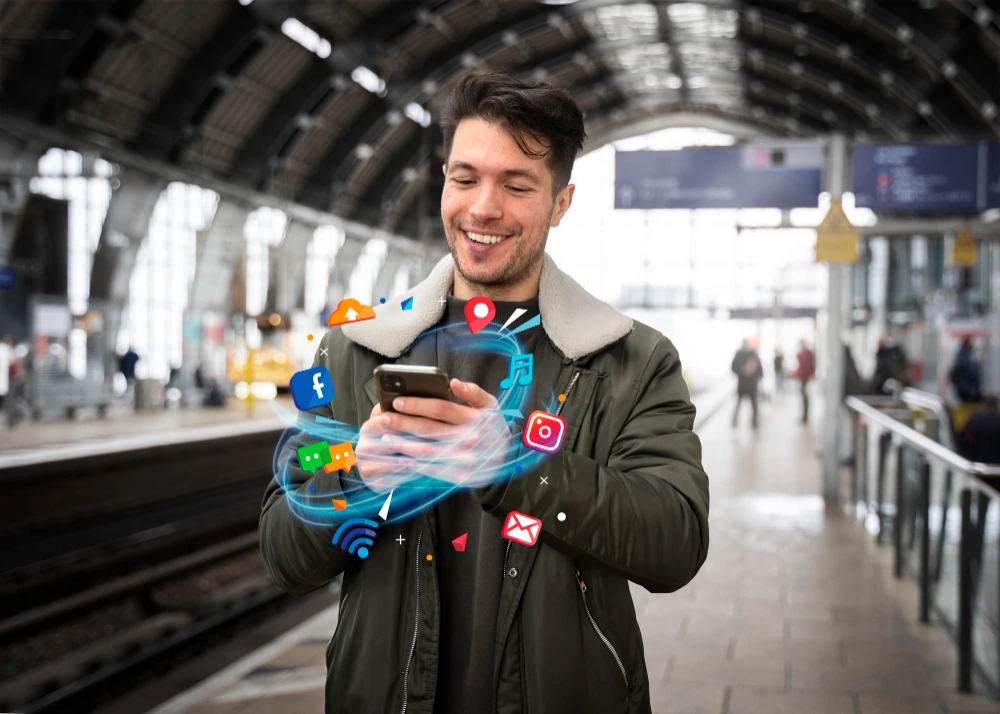
The Power of Multimodal Marketing: Combining Text, Voice, and Visual AI
Summarize with AI


Today’s digital- marketing is no longer confined to a single channel or medium. Audiences engage with content in multiple forms — reading blog posts, watching short videos, or asking voice assistance for quick answers. The result? A new era of multimodel marketing powered by AI technologies that understand text, voice, and visuals simultaniously.
This shift is redefining how brands connect with audiences, creating deeply personalized experiences across every touchpoint. And leading this innovation are AI-driven models that merge data from different sensory inputs to deliver contextually rich insights and responses.
As marketing continues to evolve, understanding and leveraging multimodal AI is becoming essential, not optional.
What is Multimodal AI?
Multimodal AI refers to artificial intelligence systems capable of understanding and generating outputs from multiple types of data — such as text, images, voice, and even video.
Unlike traditional AI, which specializes in a single mode (like text-based chatbots or image recognition tools), multimodal AI integrates these data types into one intelligent system. This means it can:
Interpret a product image, understand its description, and generate ad captions.
Listen to a voice query and deliver both visuall and text-based answers.
Analyze customer behavior across voice, text, and visual touchpoints to personalize marketing content.
In simple terms, multimodal AI brings together what we read, see, and hear — creating a unified, intelligent understanding of user intent.
Why Multimodal Marketing Matters?
Today’s consumers move seamlessly between platforms and media formats. They might hear a product mentioned in a podcast, search for it via voice assistant, and finally see it in a social media video ad.
To capture and retain attention across this journey, brands need multimodal marketing — a strategy that integrates visual marketing trends, voice search optimization, and text-based storytelling into one cohesive experience.
Why this matters:
Consistent Across Platforms: Multimodal marketing ensures brand messaging remains consistent, whether users read an article or interact via voice command.
Enhanced Engagement: By combining video, text, and audio, marketers can connect emotionally and cognitively with audiences.
Improved Accessibility: Voice and visual elements make content more inclusive, catering to different user preferences.
Data-Driven Creativity: AI models analyze multimodal data to reveal insights that guide campaign strategies, ad placement, and UX improvements.
The Role of AI in Multimodal Marketing
AI acts as the unifying brain behind multimodal marketing. Modern AI-driven UX systems don’t just process keywords; they understand meaning, tone, imagery, and even emotions.
Let’s look at how AI powers each layer of the multimodal experience:
1. Text Understanding and Generation
Advanced language models craft personalized ad copy, blog posts, and emails that align with a user’s search intent and sentiment. They can analyze engagement data to optimize future messaging.
2. Voice Search Optimization
With the rise of smart devices, voice search optimization is a necessity. Multimodal AI helps marketers design content that aligns with conversational queries.
For example: “Hey Siri, what’s the best skincare product for dry skin?”
AI ensures your brand appears in that natural dialogue.
3. Visual Recognition and Marketing
Visual marketing trends now go beyond attractive imagery. AI can recognize objects, logos, and scenes in photos or videos, allowing brands to:
Target ads based on visual context.
Generate automated video captions and summaries.
Measure emotional responses to visual content.
4. Cross-Modal Insights
AI connects data across formats — such as linking voice sentiment with video reactions or text feedback. These insights enable marketers to refine UX and drive conversions.
Real-World Examples of Multimodal AI in Marketing
Interactive Shopping Experiences: Retail brands use AI that analyzes product images and user preferences to recommend items via both visuals and voice assistants.
Video Content Optimization: AI tools can automatically generate thumbnails, titles, and subtitles by understanding the video’s visual and verbal context.
Customer Support Automation: Multimodal chatbots use voice tone and text input together to deliver empathetic, human-like responses.
Smart Campaign Analytics: AI tracks engagement across platforms — identifying whether visuals, text, or audio drive better conversions for specific demographics.
The Future of Visual and Voice-Integrated Marketing
The next frontier of marketing lies in AI systems that perceive like humans — combining sight, sound, and language into a unified brand experience.
As visual marketing trends evolve and voice interfaces grow, brands that adopt AI-driven UX will lead the way in engagement and customer satisfaction.
Imagine an AI assistant that not only recognizes a customer’s voice but also understands their visual interactions — recommending products, personalizing ads, and optimizing design in real-time. That’s the future of multimodal marketing — deeply contextual, adaptive, and intuitive.
Why Partner with Marko & Brando for AI-Driven Marketing
At Marko & Brando, we believe that successful digital marketing lies in understanding people — not just platforms. As the Best Digital Marketing Company, we leverage the power of multimodal AI to design intelligent, data-backed campaigns that speak the language of your audience.
From voice search optimization to visual storytelling and AI-driven UX, our experts combine creativity with technology to craft experiences that inspire, engage, and convert.
Whether you’re a startup exploring smart automation or an enterprise aiming for predictive engagement, Marko & Brando ensures your brand stays ahead of the curve — intelligently and authentically.
Wrapping Up
The age of multimodal AI has arrived — and with it, the opportunity for marketers to redefine how brands communicate across sensory channels.
By combining text, voice, and visual AI, businesses can craft immersive campaigns that not only capture attention but also drive meaningful action.
As technology continues to advance, those who adopt AI-driven marketing strategies today will be the ones setting the benchmarks tomorrow.
If you’re ready to embrace this next evolution, Marko & Brando is here to make it happen — intelligently, creatively, and effectively.
FAQs
1. What is multimodal AI in marketing?
Multimodal AI integrates data from text, images, and voice to create smarter, more contextual marketing campaigns. It helps brands deliver seamless and personalized experiences.
2. How does voice search optimization fit into multimodal marketing?
Voice search optimization ensures your content ranks for conversational queries, enabling better engagement through smart speakers and voice assistants.
3. What are the benefits of using multimodal AI for businesses?
It enhances personalization, improves UX, provides actionable insights, and allows for cross-platform consistency in marketing campaigns.
4. Is multimodal AI expensive to implement?
While setup may require investment, AI tools today are scalable. Marko & Brando help businesses integrate AI affordably and strategically.
5. How can Marko & Brando help with AI-driven marketing?
Marko & Brando specializes in using AI for content, design, and campaign automation — helping brands create engaging, personalized experiences across all digital touchpoints.

Article by
Marko & Brando
For businesses looking for impactful digital marketing services, Marko & Brando is the name to trust. Our data-driven strategies ensure maximum ROI, helping your brand reach new heights. Experience the power of digital transformation with our expertise.

Best Financial Services Advertising Strategy for Banks

Marko & Brando
September 20, 2026

What Is a Content Calendar? Examples and a Step-by-Step Guide
Marko & Brando
September 15, 2026

We Audited 30 Shopify Stores: Here's the Number One Conversion Killer
Marko & Brando
September 10, 2026

We Ran Lead Gen for 15 Schools and Institutes: Here's What Actually Filled Seats
Marko & Brando
September 05, 2026