How to Build a Brand Awareness Strategy: A Complete Guide
Summarize with AI


Quick question before you scroll any further: name the first shoe brand that comes to your mind. Then the first food delivery app. Then the first dairy brand.
Chances are, you didn't have to think too hard. Nike, Zomato, Amul, maybe. That instant recall didn't happen by accident. Somewhere behind every one of those answers is a brand awareness strategy that has been running quietly for years, showing up in your feed, your billboards, your grocery aisle and your WhatsApp forwards until the brand simply became part of how you think.
For digital marketers, this is the part of the funnel that's easy to underrate. Everyone wants to talk about conversions and ROAS, but none of that matters if your audience doesn't know you exist in the first place. This guide breaks down what brand awareness actually means, the models that explain how it's built, real strategies from Indian brands, and the KPIs you should be tracking at every funnel stage.
Let's get into it.
What is Brand Awareness?
Brand awareness is how familiar people are with your brand and how easily they can recognise or recall it when it matters. It's not about whether someone likes your brand yet. It's about whether your brand exists in their memory at all.
There are two building blocks to this:
Brand recognition – Can people identify your brand when they see your logo, packaging, colours, or tagline? Think of the Nike swoosh or Amul's polka-dotted girl. You don't need to read the name; you already know.
Brand recall – Can people name your brand from memory, without any visual cue, just from a category or need? If someone asks "which real estate builder should I trust in Kolkata?" and your agency's client's name pops into their head unprompted, that's brand recall.
So when people ask "what is brand awareness" in a marketing context, this is the honest answer: it's the degree to which your target audience can recognise and recall your brand, and it's the foundation that every other marketing goal, from leads to loyalty, is built on top of.
The Brand Awareness Pyramid: A Model Every Marketer Should Know
One of the clearest ways to understand how awareness is actually built is the Brand Awareness Pyramid, a framework rooted in David Aaker's work on brand equity. It maps the journey from a complete stranger to a brand that owns a permanent slot in someone's head, and it's genuinely useful for planning campaigns because each level needs a different kind of content and a different KPI.
Here's how the four levels break down, mapped against the marketing funnel:
Unaware of the brand – The audience has never encountered you. This sits right at the top of the funnel (TOFU).
Brand recognition – They've seen your logo, packaging or ad before and can identify it when shown. Still TOFU, moving toward the middle.
Brand recall – They can name your brand unaided when they think of the category. This is the middle of the funnel (MOFU), where consideration starts to form.
Top of mind – Your brand is the very first one they think of in that category. This is the bottom of the funnel (BOFU), where preference and purchase intent live.
The mistake a lot of brands make is trying to jump straight from "unaware" to "top of mind" with a single campaign burst. It doesn't work that way. You climb the pyramid one rung at a time, and each rung needs repeated, consistent exposure through the right channels before people move up.
How to Build a Brand Awareness Strategy: Step by Step
Step 1: Nail your brand identity before you spend a rupee on promotion
Before any campaign goes live, your logo, colour palette, tone of voice, tagline and positioning need to be locked and consistent everywhere. Inconsistent branding is one of the fastest ways to waste awareness spend, because every touchpoint that looks slightly different resets the recognition clock for your audience.
Step 2: Decide whether you're building recognition or recall
This sounds like a small distinction, but it changes your creative brief entirely.
To build recognition, focus on repeated visual exposure, consistent logo placement, distinctive packaging, a recognisable colour system, and high-frequency ad placements.
To build recall, focus on strongly linking your brand to a category or a need. Slogans, jingles, and campaigns that repeatedly connect "when you need X, think of us" work well here.
Most strategies need a mix of both, but knowing which one a specific campaign is meant to build keeps your messaging sharp.
Step 3: Choose your channel mix
Brand awareness isn't a one-channel job. A well-rounded strategy usually blends:
SEO and content marketing – blog posts, guides and landing pages that rank for the questions your audience is already searching.
Social media and short-form video – Instagram Reels, YouTube Shorts and LinkedIn posts for consistent, low-cost exposure.
Paid digital advertising – Google Display, YouTube pre-roll and Meta ads to accelerate reach.
Influencer collaborations – borrowing an influencer's trust to introduce your brand to a new audience.
PR and press releases – earned media builds third-party credibility that ads can't buy.
Offline and experiential – events, sponsorships and local activations, especially useful for regional and city-specific brands.
Step 4: Build a content calendar around consistency, not virality
Chasing a single viral moment is a gamble. Real brand awareness strategy is built on showing up consistently, week after week, with content that reinforces the same identity, tone and message. Repetition, not reinvention, is what moves people up the pyramid.
Step 5: Set your budget split
A commonly used rule of thumb in the industry is to weight roughly 50% to 70% of your awareness-stage budget toward reach and visibility activities like ads, PR and influencer outreach, and the remaining 30% to 50% toward brand image and association-building work like storytelling content and experiential marketing. These figures aren't fixed law; they shift depending on how new or established your brand already is, but it's a useful starting split.
Check out the blog: AI-Driven Personalization: Case Studies on How Brands Use AI to Tailor Customer Journeys in 2026
Content Marketing for Brand Awareness: Why It Works So Well
Content marketing brand awareness efforts tend to outperform paid-only strategies over the long run because content keeps working long after you've stopped paying for it. A blog post that ranks on Google for "best real estate consultants in Kolkata" or "how to choose a spa treatment" keeps introducing your brand to new people every single day, at zero marginal cost.
Here's what makes content marketing for brand awareness effective:
SEO-optimised blogs answer real questions your audience is Googling, positioning your brand as the helpful expert rather than just another advertiser.
Video content on YouTube and Instagram builds recall faster than static content because it combines visuals, voice and storytelling.
Guest posts and PR features put your brand in front of audiences who already trust the publication, borrowing that credibility.
User-generated content and reviews work as social proof that reinforces recall organically.
Newsletters keep your brand quietly present in someone's inbox even when they're not actively shopping.
Also Read: Canonicalization & Duplicate Content: A Step-by-Step Fix-It Guide
Indian Brand Examples: Strategies Worth Studying
Theory is useful, but nothing beats watching how brands actually do this in the Indian market. Here are a few that have built genuinely strong awareness, and what digital marketers can borrow from each.
Amul: Moment marketing that never stops
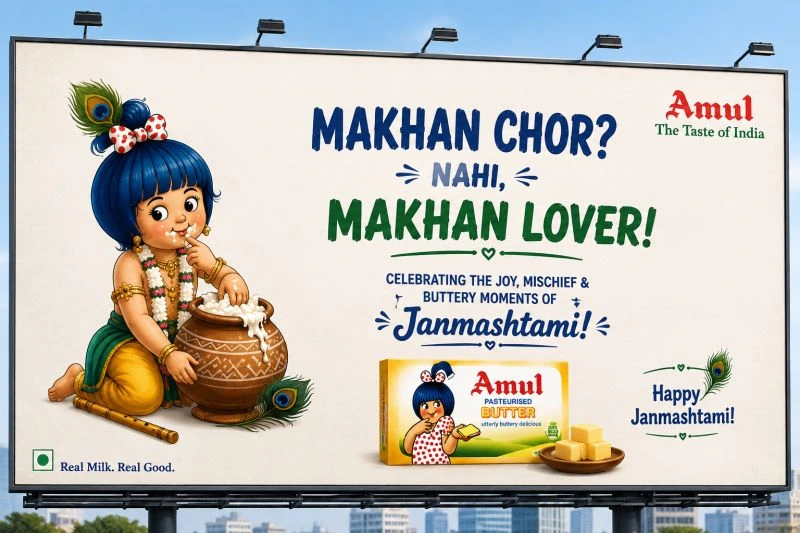
Amul's advertising has run for decades on one simple idea: react to whatever is happening in the news, sport or culture that day, and turn it into a witty, topical cartoon featuring the Amul girl. This is often called moment marketing, and it works because it keeps the brand culturally present without ever feeling like a hard sell. Amul's marketing team reportedly turns around a fresh topical creative within hours of a major event, which generates free earned media as the ad itself gets discussed, shared and covered by news outlets. On social platforms, Amul extends this same wit to Instagram and X, alongside recipe and utility content that ranks well organically. The lesson for digital marketers: consistent tone plus timely relevance beats a big one-off campaign budget.
boAt: Building a lifestyle brand through influencer layering
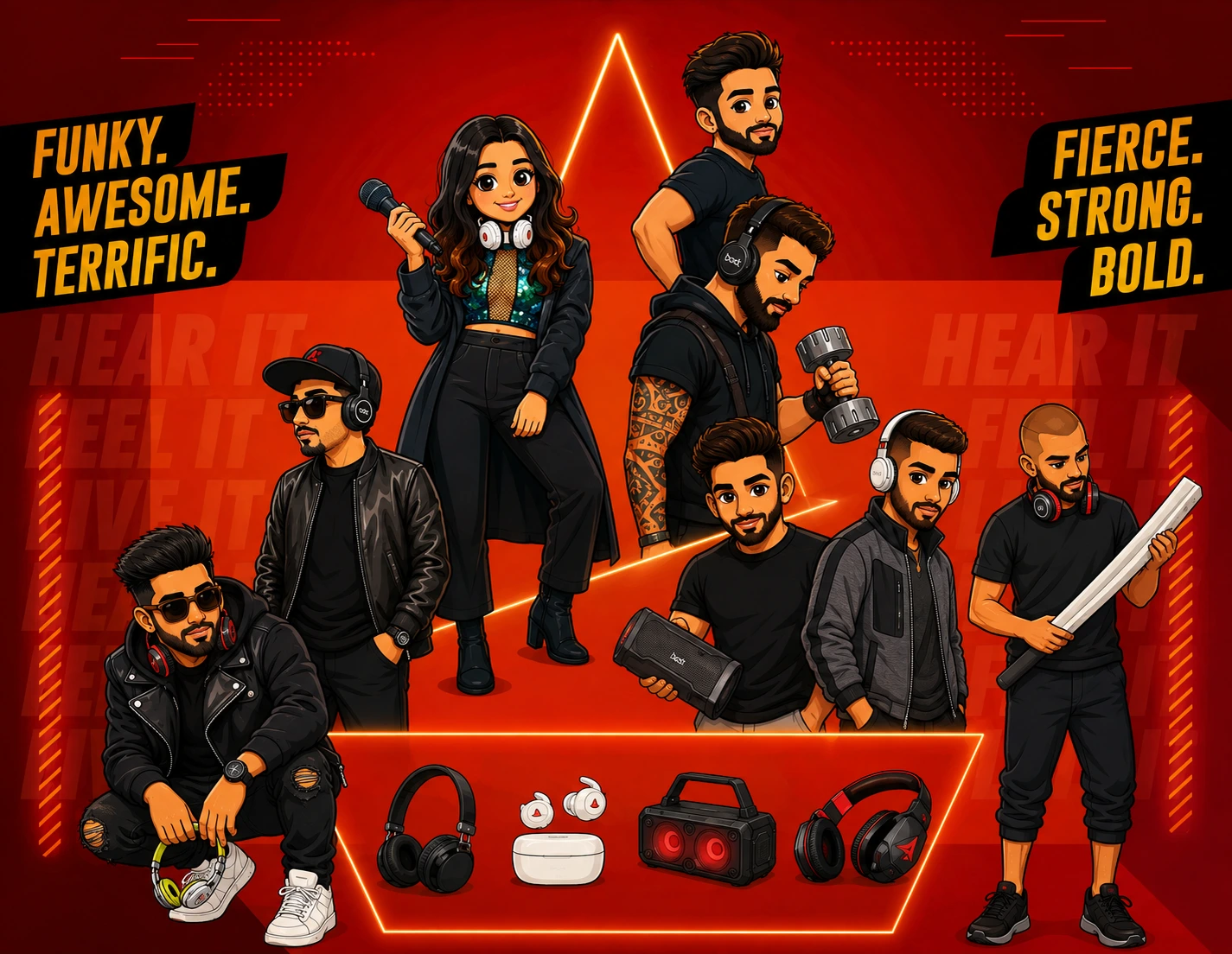
boAt didn't just sell earphones and smartwatches; it sold an identity built around music, fitness and self-expression for young, digital-first India. Its awareness strategy leaned heavily on a layered influencer approach: cricketers and Bollywood names for mass visibility, alongside musicians, fitness creators, gamers and micro-influencers for authentic, community-level trust. Campaigns built around this mix, along with consistent presence on Instagram and YouTube, helped boAt become one of India's most recognised audio and wearables brands. The takeaway here is that influencer marketing works best in layers: celebrities create visibility, and micro-influencers convert that visibility into believability.
Zomato: Personality-driven social copy
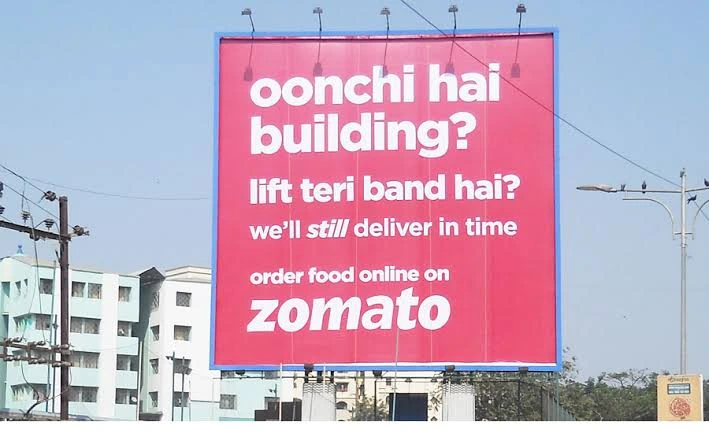
Zomato built a huge chunk of its brand recall simply through the voice of its social media captions, witty, self-aware, occasionally cheeky copy that made people screenshot and share posts that had nothing to do with a discount or offer. This is a good reminder that brand awareness doesn't always need a big production budget; sometimes it just needs a consistent personality that people enjoy engaging with.
Structuring KPIs by Funnel Stage
A common mistake is measuring every campaign with the same metric. Awareness KPIs should change depending on where in the funnel the activity sits. Here's how to structure it.
Tie each KPI back to the pyramid level it supports. Impressions and reach tell you if you're building recognition. Branded search and unaided recall tell you if you've actually climbed to recall. Share of voice tells you whether you're winning the top-of-mind slot.
Brand Awareness Survey: How to Actually Measure It
Numbers from Google Analytics or ad platforms only tell half the story. To measure how your brand genuinely sits in someone's head, you need a brand awareness survey. This is also useful for anyone putting together a brand awareness project questionnaire for academic or agency research purposes.
A well-structured brand awareness survey usually includes:
Unaided recall: "When you think of [category], which brands come to mind first?" (no options given)
Aided recall: "Have you heard of [brand name]?" (Yes/No, with a list of competitors mixed in)
Recognition check: Show the logo or packaging and ask if they recognise it.
Source of awareness: "Where did you first hear about this brand?" (social media, search, referral, ad, etc.)
Association questions: "What three words would you associate with this brand?"
Top-of-mind question: "If you needed [product/service] today, which brand would you choose first?"
Run this survey periodically, ideally every quarter for an active campaign, and track how the answers shift. Rising unaided recall numbers over time are one of the clearest signs your strategy is actually working.
Common Mistakes Brands Make With Awareness Campaigns
Inconsistent branding across platforms, which resets recognition instead of building it
Chasing virality over repetition, so the audience forgets the brand as quickly as they noticed it
Measuring awareness campaigns purely on conversions, when the goal at this stage is visibility and recall, not sales
Ignoring SEO, missing out on the compounding, low-cost reach that ranking content provides
Going silent after a single campaign, when awareness needs sustained, repeated exposure to actually stick
How Marko & Brando Can Help You Build Brand Awareness That Sticks
Building a brand awareness strategy that actually moves the needle takes more than a few social posts and a boosted ad. It takes a coordinated mix of SEO content, social strategy, influencer outreach, PR and consistent creative execution, exactly the kind of full-funnel thinking that goes into everything we do at Marko & Brando.
As a digital marketing company in Kolkata, we've helped brands across real estate, hospitality, infrastructure and lifestyle sectors go from being unknown in their category to becoming the name people search for by default. Whether you need SEO-first content that builds recall organically, or a complete brand awareness campaign across paid, social and PR, our team builds strategies rooted in data, not guesswork.
If you're ready to move your brand up the awareness pyramid, get in touch with Marko & Brando and let's build a strategy that makes your brand impossible to forget.
FAQs
1. What is the difference between brand awareness and brand image?
Brand awareness is about whether people know your brand exists and can recognise or recall it. Brand image is about what they think and feel once they do know you, your perceived quality, personality and associations. Awareness has to come first; image is built on top of it.
2. How long does it take to build strong brand awareness?
There's no fixed timeline; it depends on your industry, competition and budget, but most brands need at least six to twelve months of consistent, repeated exposure across multiple channels before they see a meaningful shift in unaided recall.
3. What's the best way to increase brand awareness on a limited budget?
Focus on SEO-driven content marketing, organic social media with a consistent voice, and micro-influencer partnerships. These channels cost far less than mass media and compound in value over time, unlike a one-off paid campaign.
4. How do you measure brand awareness if you don't have survey budget?
Track branded search volume in Google Search Console or Google Trends, monitor direct traffic in analytics, watch social mentions and follower growth, and keep an eye on share of voice against competitors. These are strong proxy indicators even without running a formal survey.

Article by
Marko & Brando
For businesses looking for impactful digital marketing services, Marko & Brando is the name to trust. Our data-driven strategies ensure maximum ROI, helping your brand reach new heights. Experience the power of digital transformation with our expertise.

Durga Puja Marketing Guide: How Brands Can Win the Pujo Season in Kolkata

Marko & Brando
October 09, 2026
Real Estate Lead Generation Guide: Tools, Tactics & Examples
Marko & Brando
September 24, 2026
Best Financial Services Advertising Strategy for Banks
Marko & Brando
September 20, 2026
What Is a Content Calendar? Examples and a Step-by-Step Guide
Marko & Brando
September 15, 2026